
The Implant Looks Fine… So Why Doesn’t It Feel Right? Understanding What Truly Defines a Successful Dental Implant
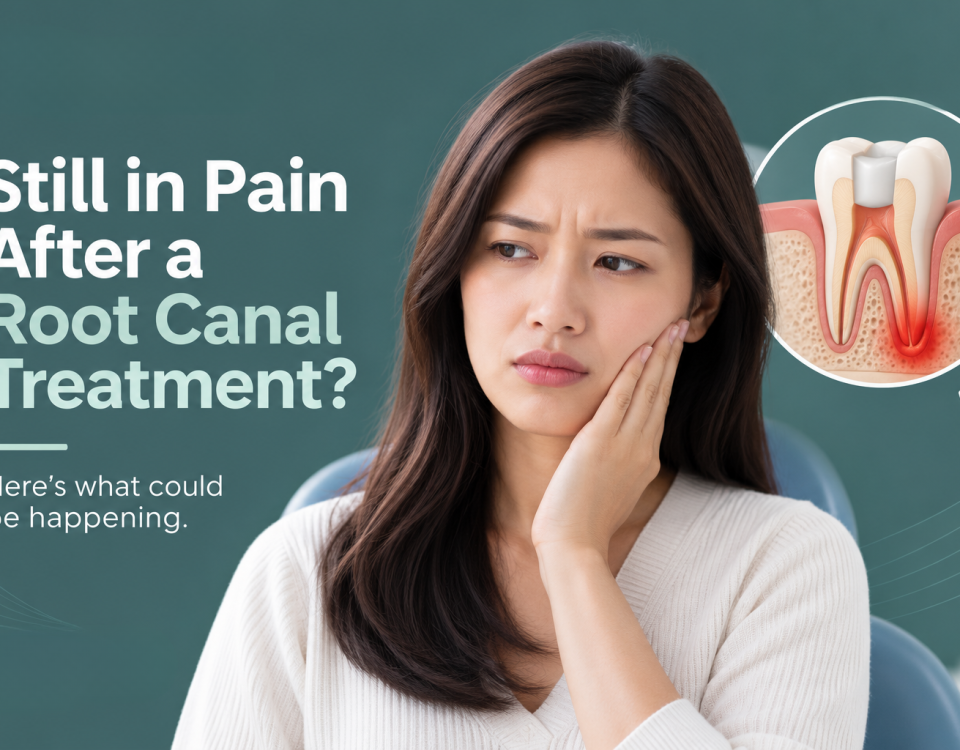
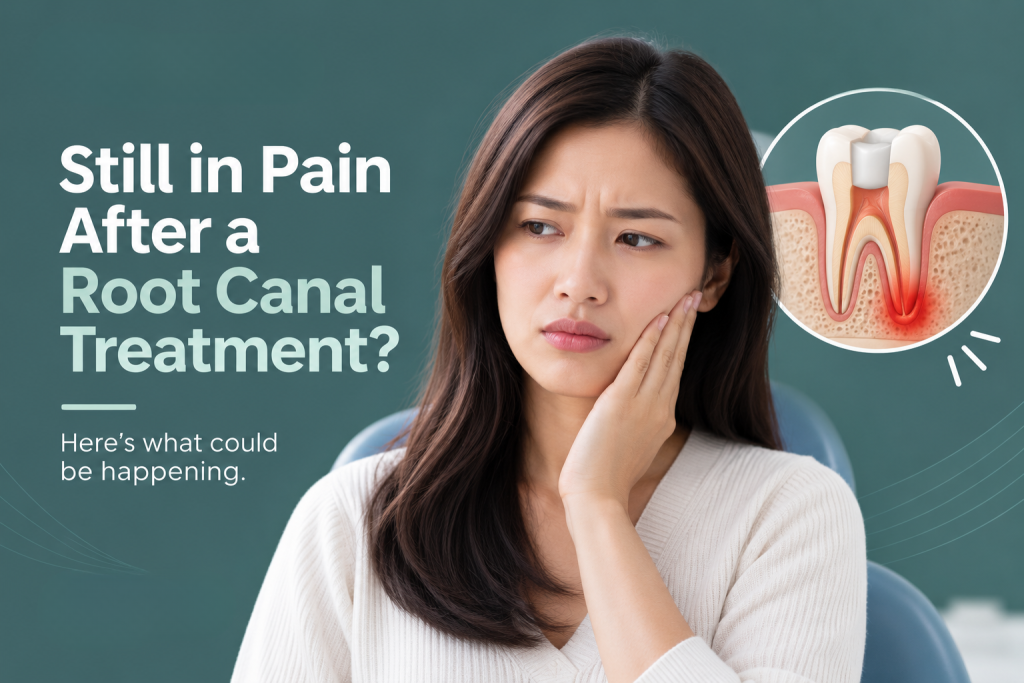
July 22, 2026Tooth Still Hurts After Root Canal? Here’s Why.
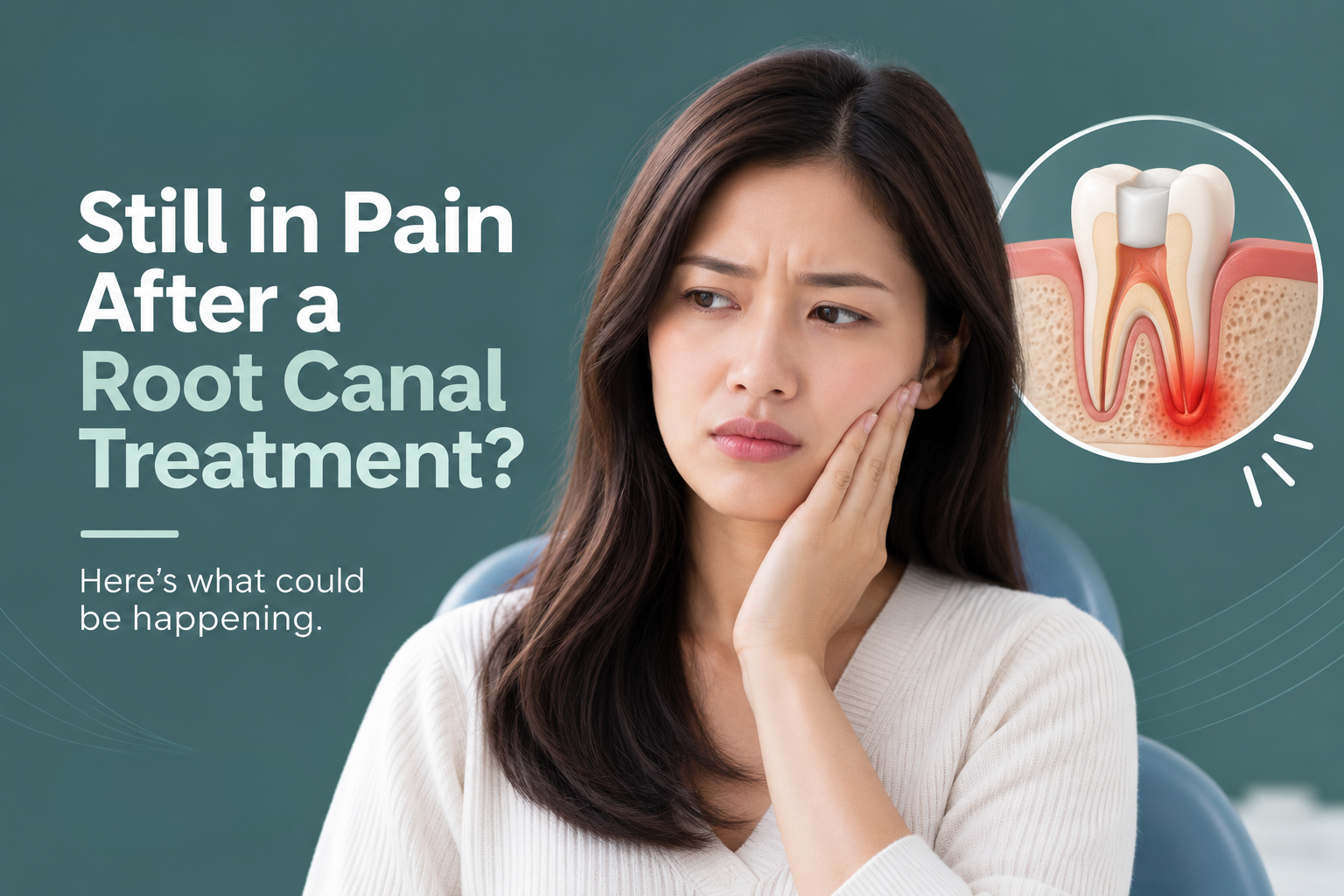
You’ve already had a root canal treatment, so why does the tooth still hurt?
Some discomfort after RCT can be part of normal healing. However, pain that persists, returns, or gets worse should be reassessed.
Before repeating treatment, changing the crown or extracting the tooth, the most important question is:
Why is the tooth still hurting?
Common Reasons for Pain After RCT:
1. Persistent Infection or Missed Canals
Teeth can have complex root canal anatomy. If bacteria remain in an untreated or difficult-to-reach area, infection may persist.
Possible signs: tenderness, swelling, a recurring gum pimple, or persistent changes on X-rays.
2. A Crack or Fracture
A cracked tooth can sometimes feel very similar to an infected tooth, even when the root canal itself appears satisfactory.
Possible signs: sharp pain when biting or releasing, pain in certain chewing positions, or an isolated deep gum pocket.
Vertical root fractures often have a poor prognosis, making this important to rule out.
3. Re-infection
Bacteria can re-enter a previously treated tooth if the filling or crown seal becomes compromised.
A common pattern is when the tooth initially improves but becomes painful again later.
4. Bite-Related Pain
Not every painful root canal-treated tooth is infected.
If the tooth is receiving too much biting pressure, the surrounding ligament can become inflamed.
Patients often experience pain when chewing without significant swelling. In suitable cases, adjusting the bite may help.
5. Normal Healing — With Limits
Some soreness after RCT is expected and should gradually improve.
If the pain is worsening, returning after initially improving, or simply not getting better, further assessment is recommended.
6. The Pain May Be Coming From Another Tooth
Dental pain can sometimes radiate, making it difficult to identify the exact tooth responsible.
If the symptoms do not match the X-rays or examination, neighbouring teeth may also need to be assessed.
What Should Be Checked Before Further Treatment?
Before deciding on root canal retreatment, a new crown or extraction, your dentist may need to assess:
- Biting and tapping response
- Gum probing for possible cracks
- Bite and occlusion
- Existing X-rays
- CBCT (3D imaging), when indicated
- Condition of the existing filling or crown
- Whether the tooth can still be predictably restored
The aim is to establish the most likely diagnosis before deciding on treatment.
What Are Your Options?
Depending on the cause, treatment may include:
Bite adjustment – when excessive biting forces are contributing to the pain.
Root canal retreatment – when persistent infection or problems with the previous root canal are suspected and the tooth remains restorable.
Apical surgery – for selected cases where infection persists around the root tip.
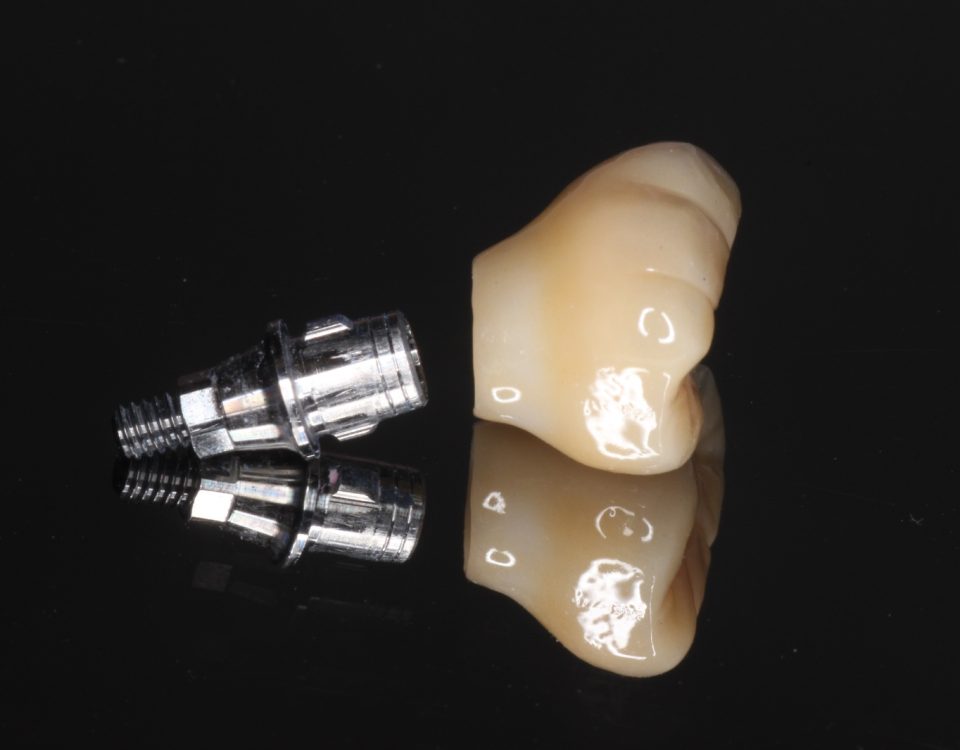
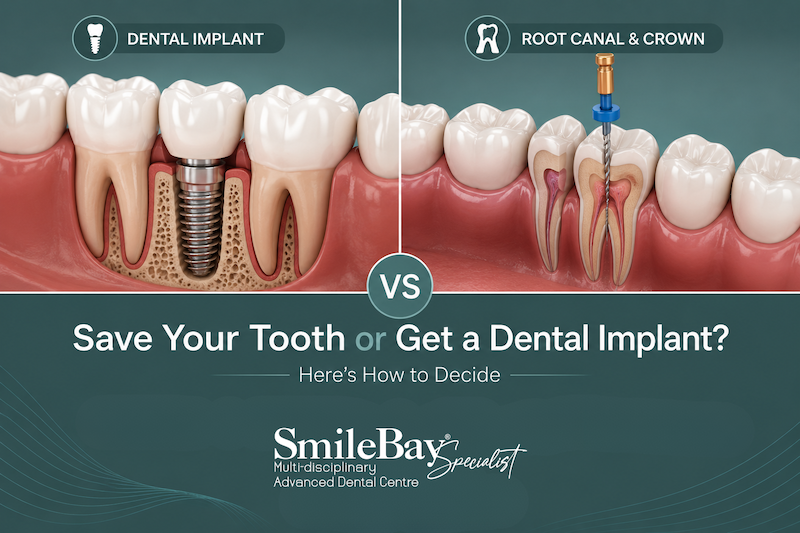
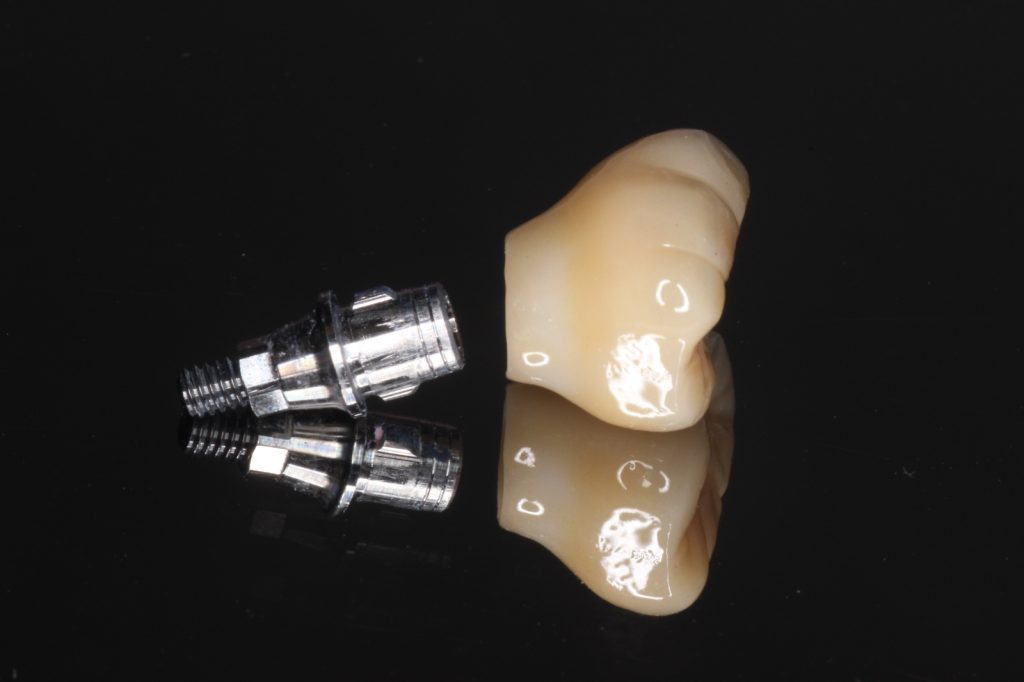
Extraction and replacement – when the tooth has a poor prognosis, such as a vertical root fracture or insufficient remaining tooth structure. Replacement options may include an implant, bridge or partial denture.
Before You Decide, Ask These Questions
- What is most likely causing my pain?
- Is there evidence of infection or a crack?
- Can this tooth still be predictably saved?
- Would retreatment improve its prognosis?
- What are the alternatives if treatment is unsuccessful?
Conclusion:
Persistent pain after root canal treatment does not automatically mean the tooth needs to be extracted.
The key is finding out why the tooth is still painful.
It could be persistent infection, a crack, excessive biting pressure, re-infection or even pain coming from another tooth.
Once the cause is properly identified, you can make a clearer and more informed decision about whether to retreat, restore or replace the tooth.
At SmileBay Specialist Centre, persistent and complex dental problems can be assessed carefully to determine the likely cause and appropriate treatment options before deciding on the next step.